

This item is not kept in stock. Please allow 5 days for delivery.
Class 2.2 non-flammable, non-toxic gases TDG hazard labels, to apply to shipping boxes and packages. Each 4 X 4 in (10.16 X 10.16 cm) label shows the gas cylinder and the number 2 on a green background. The roll of 500 is available in water-resistant gloss paper for indoor use, or in PVC-free synthetic for indoor and outdoor use, both with a permanent adhesive. Made in Canada.
No returnable if used. For more information about our return policy, please refer to the Orders and Returns.
This item is not kept in stock. Please allow 5 days for delivery.
These hazard labels identify packages of class 2.2 non-flammable, non-toxic compressed gases, such as nitrogen, argon, helium or carbon dioxide. These gases do not burn, but a pressurized cylinder remains hazardous and a leak in an enclosed space can displace oxygen. The label is applied at the shipping station to the boxes and packaging of cylinders and CO2 cartridges. Each 4 X 4 in label shows the gas cylinder and the class number 2 on a green background, without text. Made in Canada, they are sold in rolls of 500.
| Material | Sylprotec code | Best use |
|---|---|---|
| Adhesive paper | ERCLASSE2.2-PA | Boxes and packages shipped and stored indoors |
| Adhesive-backed PVC-free synthetic | ERCLASSE2.2-SY | Packages exposed to moisture or weather, indoors and outdoors |
These labels are intended for industrial, welding and laboratory gas distributors, suppliers of beverage gases and bottled dry ice, fire extinguisher manufacturers and distribution centres that ship class 2.2 packages. Paper suits boxes kept under cover; synthetic holds better on packages that wait outside.
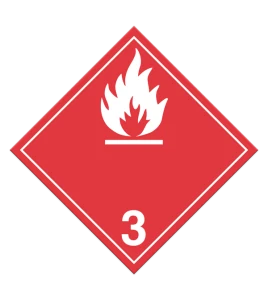
For the vehicle, complete your display with the 10-3/4 X 10-3/4 in class 2.2 non-flammable gas placard (ECLA2.2).
| Feature | Detail |
|---|---|
| Class | 2.2, non-flammable, non-toxic gases |
| Symbol | Gas cylinder |
| Colours | Green and white |
| Dimensions | 4 X 4 in (10.16 X 10.16 cm) |
| Quantity | Roll of 500 labels |
| Materials | Adhesive paper (indoors) or adhesive-backed PVC-free synthetic (indoors and outdoors) |
| Roll weight | Paper: 2.05 lb (0.93 kg); synthetic: 1.7 lb (0.771 kg) |
| Country of origin | Canada |
| Sold by | Roll |
Apply the label to a clean, dry surface, flat and without folding it, on a visible side of the package. Keep the roll in its packaging, away from moisture and heat, until use.
No. They are hazard labels for the transportation of dangerous goods (TDG), to apply to shipped packages. WHMIS covers the labelling of hazardous products in the workplace.
The gas is under pressure: a damaged cylinder can become a projectile, and a leak in an enclosed space can reduce the available oxygen. The label warns handlers and responders.
The water-resistant paper is intended for indoor use. PVC-free synthetic suits indoor and outdoor use, for packages exposed to the weather.
500 labels of 4 X 4 in (10.16 X 10.16 cm), in paper as in synthetic.
According to the manufacturer, yes. Always check the requirements that apply to your shipment.
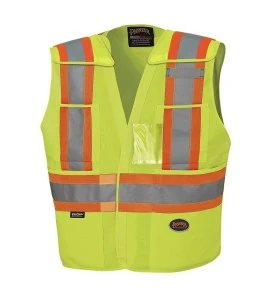
For the worker who handles cylinders and packages at the dock, plan for Privo clear-lens safety glasses (YA12261), cowhide leather gloves (G300) with safety cuffs, Dunlop waterproof steel toe boots (VC18820), a Delta Plus Omega II type 2 class E safety helmet (TA14OR) and a Pioneer yellow detachable traffic vest (V6931) to stay visible at the dock and on the road.
To respond to a leak, the complete MSA Altair 4X multigas detection kit (DETEC4GC) measures oxygen before entering a trailer or a closed room. Keep a portable (EXABC10) 10 lb ABC dry chemical extinguisher for an incipient fire in the vehicle, mark off the area with the yellow DANGER barricade tape (ECT3YE7) and signal the vehicle with the set of three removable reflectors (EPTR). A truck driver is an isolated worker as defined by the CNESST: the personal (TR01) first aid kit suits the driver, as it does a vehicle carrying 1 to 5 workers; for a vehicle carrying more than 5 workers more than 30 minutes from medical services, the CNESST calls for the basic (TR02M) first aid kit. Complete with the portable road (TR16) safety kit. For the response to a specific gas, check the safety data sheet and the 2024 ERG guide shown for the UN number on the shipping document.
Data sheet
You might also like
This item is not kept in stock. Please allow 5 days for delivery.
Class 2.2 non-flammable, non-toxic gases TDG hazard labels, to apply to shipping boxes and packages. Each 4 X 4 in (10.16 X 10.16 cm) label shows the gas cylinder and the number 2 on a green background. The roll of 500 is available in water-resistant gloss paper for indoor use, or in PVC-free synthetic for indoor and outdoor use, both with a permanent adhesive. Made in Canada.