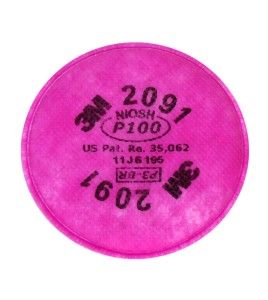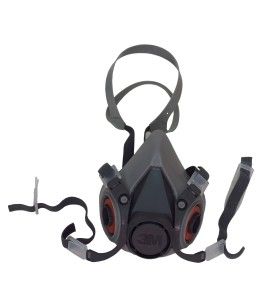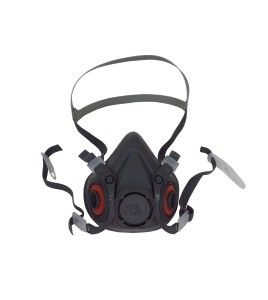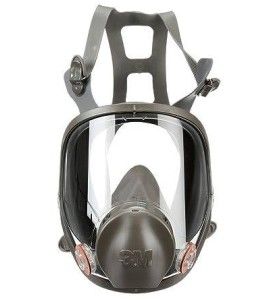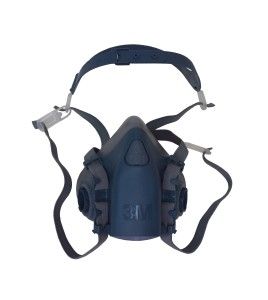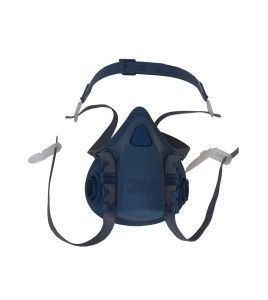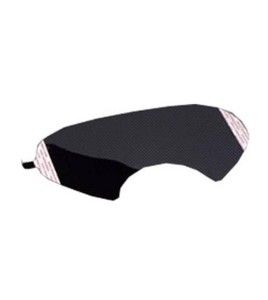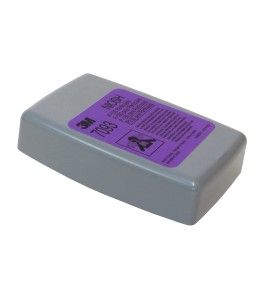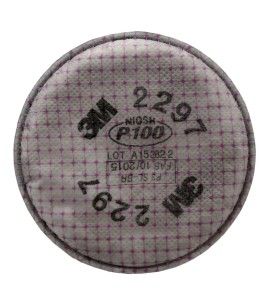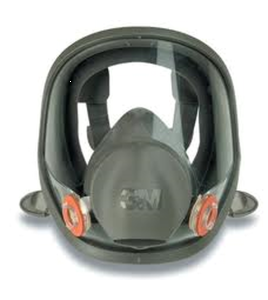
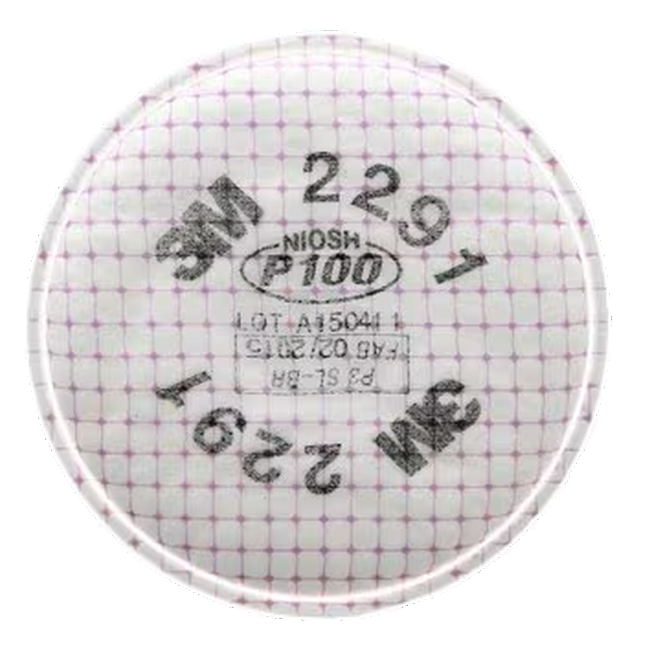
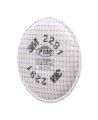
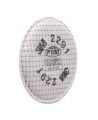
The 3M P100 filter provides advanced respiratory protection against solid particles and oily aerosols. Compatible with masks from the 6000, 7000 and Ultimate FX series, this NIOSH-certified filter guarantees 99.97% filtration efficiency. Ideal for demanding industrial environments, it meets the highest safety standards.
No returnable if used. For more information about our return policy, please refer to the Orders and Returns.
We offer a complete range of 3M respirators and cartridges.
The advanced P100 filter from 3M is designed for professionals exposed to hazardous particles in industrial, metallurgical or biological settings. Thanks to its advanced electrostatic membrane (AEM), this flame-resistant and moisture-resistant filter effectively blocks solid and liquid particles, including oily aerosols, heavy metals, radioactive particles and certain biological agents. It offers a reliable respiratory solution for welding, brazing, cutting and handling materials such as coal, iron ore or flour.
Maximum respiratory protection against solid and oily particles.
The 3M 2291 type P100 filter stands out with its NIOSH certification under standard 42 CFR 84, ensuring 99.97% filtration. Its patented electrostatic membrane resists oily particles and provides protection against both solid and liquid contaminants. It is compatible with respirator masks from the 6000, 7000, 7500, FF-400 and Ultimate FX series. This disposable filter is sold in pairs and packaged in boxes of 50 pairs.
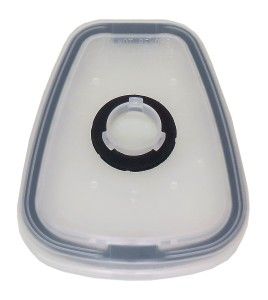
To install the 3M P100 filter, simply attach it to the side connectors of compatible mask series. The 3M R502 adapter can be used for configurations with cartridges. Make sure the filter is securely locked and the mask is properly fitted to the face to ensure optimal seal. Do not use if the wearer has facial hair or any condition preventing direct contact between the mask and the skin.
This type of filter protects against certain metal vapors emitted during welding, brazing, cutting and other heat-related metalwork. However, these filters do not block ozone. They offer protection against solid particles released during mineral processing, iron ore handling, coal, flour or other substances. They are also effective against liquid particles from oily aerosols that do not emit harmful vapors. They provide reliable protection against oily aerosol particles, radioactive particles (uranium and plutonium), heavy metal particles (lead, cadmium, arsenic), low-level asbestos and carcinogenic particles (4,4’-methylenedianiline (MDA)). This type of filter must not be used in environments exceeding 10 times the permissible exposure limit set by CNESST.
These filters may help reduce inhalation exposure to certain airborne biological particles, such as mold, Bacillus anthracis (anthrax), Mycobacterium tuberculosis (Koch’s bacillus) responsible for tuberculosis, pandemic flu strains (H5N1, H1N1), etc. However, they cannot completely eliminate the risk of infection, illness or disease. Due to the nature of some biological contaminants, government agencies have not been able to determine exposure limits for all types of contaminants.
Do not use if the wearer has facial hair or suffers from a condition that prevents direct contact between the mask edge and the face. These filters are not recommended in the presence of concentrations exceeding the permissible limits of gases and vapors. Do not use when particles are released during sandblasting or when aerosol concentrations exceed 10 times the exposure limit set by CNESST or any other applicable government regulation. These respiratory protection filters should only be used in areas that do not present an oxygen deficiency risk.
These filters are disposable and require no maintenance. They are designed with an estimated lifespan of 40 hours or 30 days. These figures are for reference only and should not be the sole tool for estimating filter life. Since every work environment is different, it is important to follow the manufacturer’s guidelines.
Use the 3M P100 filter only in environments where the contaminant concentration does not exceed 10 times the permissible exposure limit, according to CNESST. This filter is not suitable for oxygen-deficient atmospheres or high concentrations of gases or vapors. It is not recommended for sandblasting operations or environments heavily loaded with aerosols. For optimal protection, combine this filter with a full-face or half-mask respirator that fits properly.
The 2291 filter is an improved version of the R2091, offering better durability and easier breathing thanks to its advanced electrostatic membrane.
Yes, the P100 filter can reduce exposure to certain airborne biological particles, but it does not guarantee complete protection against infection.
No, the 2291 P100 filter does not protect against ozone. It is designed for solid particles and oily aerosols but allows ozone to pass through.
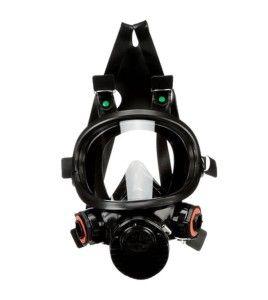
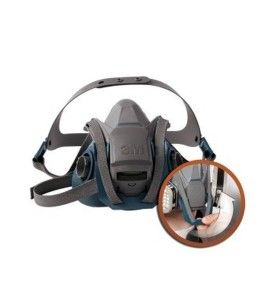
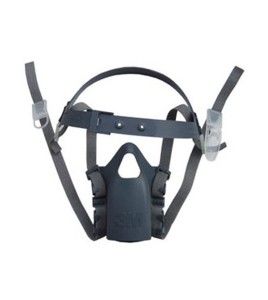
Need additional safety equipment? See the following items: Full-face respirator (R6800), half-face respirator (R6200), full-face respirator (RFF402), or Quick Latch half-face respirator (R6502QL). Replacement suspension headband (R6281), and replacement inhalation valve to prevent air leakage (R6893).
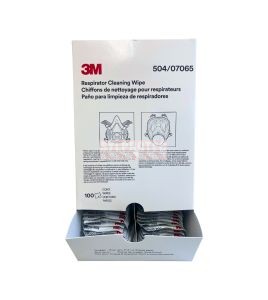
Under “Accessories” at the bottom of the page. If you are looking for work equipment, check out the following products: Alcohol-free cleaning wipes for protective masks (R504) and multi-gas vapor cartridges (R6006).

Data sheet
You might also like
The 3M P100 filter provides advanced respiratory protection against solid particles and oily aerosols. Compatible with masks from the 6000, 7000 and Ultimate FX series, this NIOSH-certified filter guarantees 99.97% filtration efficiency. Ideal for demanding industrial environments, it meets the highest safety standards.