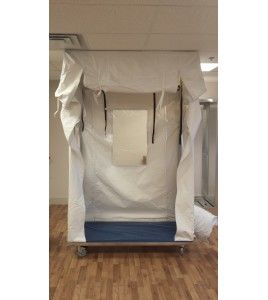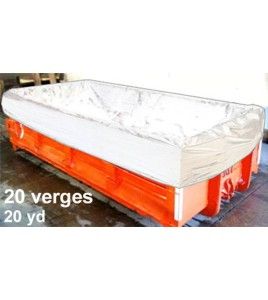
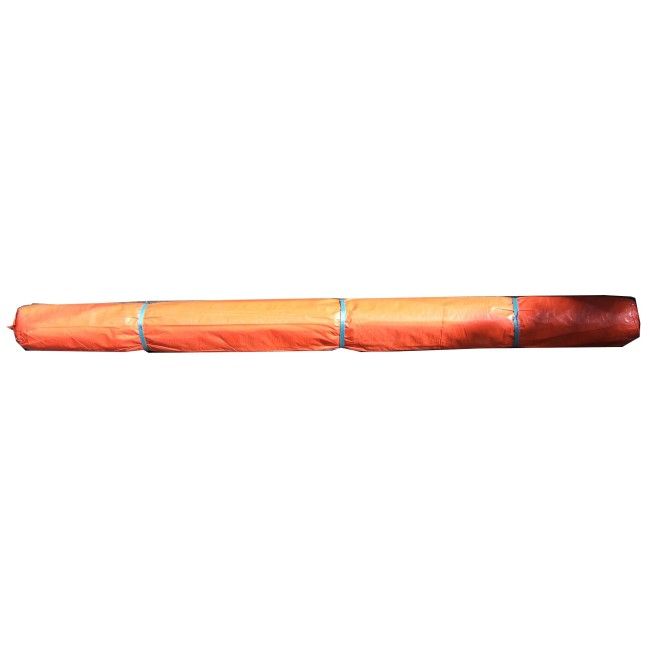
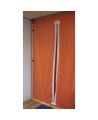
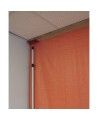
Ideal solution for creating an effective containment zone during asbestos removal and decontamination work. Its strength and resistance ensure optimum protection against contaminants, while guaranteeing easy installation. Sold individually.
No returnable if used. For more information about our return policy, please refer to the Orders and Returns.
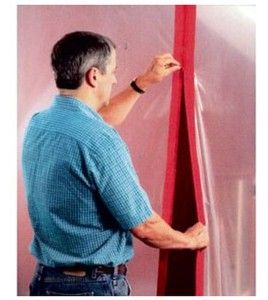
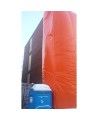
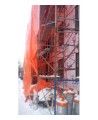
Ideal for creating an effective containment zone, this robust 3-mil-thick material protects against dust and contaminants, especially during asbestos removal work. Easy to handle, it meets the most stringent safety standards. This fabric is widely used in the construction industry to establish a containment zone, particularly during dust-generating work. Indeed, it is recommended for work with asbestos-containing materials. It can also be used as a temporary wall to protect against wind and cold when working outdoors in winter. For asbestos removal, it can be used to cover large pieces of furniture or other bulky items. In the construction industry, this containment fabric is also known as “rip”.
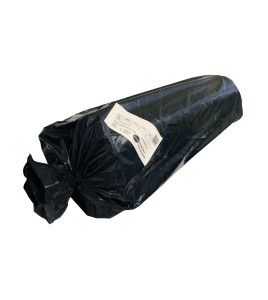
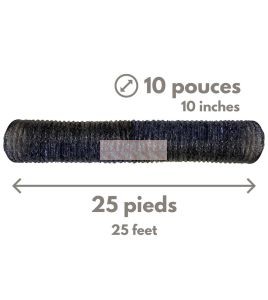
Thickness: 3 mil; Width: 12 ft; Length: 100 ft; covered area: 1200 ft2
(Thickness: 0.0762 mm; Width: 3.66 m; Length: 30.5 m; covered area: 111.6 m2)
This tarp is a reinforced and laminated high-density polyethylene woven canvas (670 deniers) covered with a low-density polyethylene layer. This item is readily workable and weighs only 2.5 oz/yd2.
This material has a fracture strain of 16% and meets ASTM-D-5035 and ASTM-D-02261 standards as regards tear resistance.
We also offer a 6 mil thick rip-free tarp, which is also fireproof (SACCT4).
A must-have solution for construction and decontamination professionals!
Order now and protect yourself effectively.
Easy to handle and install. Its material makes it highly resistant to tearing, making it ideal for demanding environments such as asbestos removal sites or temporary containment areas.
1. Surface preparation: Make sure the area to be covered is clean and dry for optimum adhesion.
2. Cutting the material: Measure and cut the roll to the dimensions required for your containment.
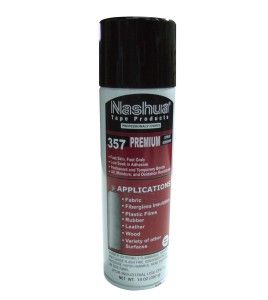
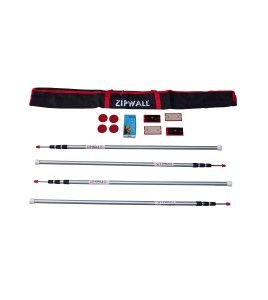
3. Fastening: Use specialized adhesive tape, fastening clips or anchor bars to hold the polyethylene in place.
4. Sealing joints: For effective insulation, apply sealing tape around the edges to prevent infiltration of dust or contaminants.
5. Check: Inspect the installation to ensure there are no cracks or loose areas.
This process ensures a robust and secure containment barrier, ideal for asbestos removal or decontamination work.
It should be stored in a dry place, away from UV rays, to preserve its strength. When handling, avoid excessive folding, which could weaken the material. Proper care guarantees optimum protection and long-lasting use.
The colour orange is used to improve visibility on construction sites, making it easier to identify containment zones and reducing the risk of accidents. It also helps differentiate between safe and active work areas.
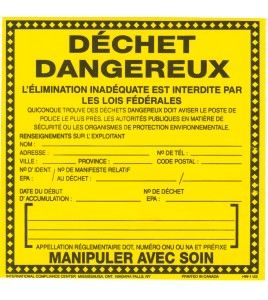
No, after use in a contaminated environment, we recommend that you do not reuse the fabric to avoid dispersing hazardous particles. It should be disposed of in accordance with current regulations on hazardous waste.
Yes, thanks to its weather resistance, it can be used outdoors to protect against wind and dust. Its high-density material gives it good durability, even in difficult conditions.
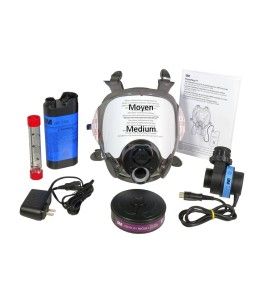
Need additional safety equipment? See the articles; Safety Liberty hard hat (TA14LR), Omega II minor hard hat type 1 (TA14FS), motorized respirator with 1000 protection factor (R6800PF), 3M mask protection film (R6885).
Under "Accessories" at the bottom of the page. If you're looking for work equipment, have a look at the following products: White antistatic coveralls with (V51), containment fabric or (SAH2MA) air cleaners (SACTT2).
Data sheet
You might also like
Ideal solution for creating an effective containment zone during asbestos removal and decontamination work. Its strength and resistance ensure optimum protection against contaminants, while guaranteeing easy installation. Sold individually.