Sold in Pairs
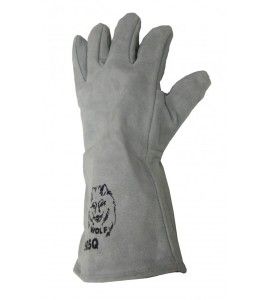
Endura® 370GFKL welding gloves offer premium protection for MIG and TIG welding jobs where precision, heat resistance, and dexterity are essential. Designed for demanding industrial environments, they combine goatskin leather, Kevlar® lining, and split leather cuffs to provide an optimal balance of comfort, durability, and safety.
No returnable if used. For more information about our return policy, please refer to the Orders and Returns.
Superior product code: 370GFKL
These specialized gloves have a level 3 puncture resistance rating and a level 2 heat resistance rating, according to ANSI and ASTM standards. Their goatskin leather construction—a flexible yet highly tear-resistant material—provides excellent movement control, which is essential for precision welding.
With their full Kevlar® lining, these gloves offer additional mechanical and thermal protection while remaining flexible enough to preserve finger mobility. The 12-inch cuffs, made of cowhide split leather, cover the forearm to protect against sparks, splashes, and abrasions.
The entire glove is sewn with Kevlar® thread, which increases its durability and resistance to high temperatures.
Available in sizes M (8) - L (9) - XL (10).
Goatskin leather forms the basis of the glove and provides an excellent combination of finesse and robustness. Its Kevlar® knit lining reinforces protection against risks related to punctures, heat, and repeated handling. Split leather cuffs complete the ensemble by improving abrasion resistance and protecting the most exposed areas of the arm.
Each seam is stitched with Kevlar® thread, preventing premature breakage due to heat or friction. This ensures that the glove remains reliable even in demanding thermal environments.
Thin, lightweight, and exceptionally durable, it is more tear-resistant than many other leathers. Its natural lanolin content makes it supple, windproof, and comfortable to wear, while maintaining excellent dexterity—essential for MIG and TIG welding.
This aramid fiber is known for its exceptional resistance to traction, vibration, impact, and thermal variations. It does not deform when heated and provides remarkable stability, which increases the glove's lifespan while reducing hand fatigue.
Thicker and rougher than full-grain leather, split leather offers very good abrasion resistance. Used in cuffs, it effectively protects the forearm from sparks and radiant heat.
These gloves are recommended for:
They are suitable for both professional welders and specialized technicians.
These gloves should not be immersed in water or exposed to boiling liquids. Their protection against heat conduction remains limited. Leather offers excellent thermal resistance, but is not a substitute for specialized PPE against direct flames or deep burns.
They do not prevent all mechanical injuries and must be used as part of a comprehensive safety procedure.
It is not recommended to wash these gloves with water, as this will remove the natural oils from the leather, making it stiff and more fragile. If cleaning is absolutely necessary, dry cleaning is recommended.
Minimal maintenance will keep the leather supple and extend the life of the gloves, especially if you allow them to air dry away from any heat sources.
Yes, they are designed to provide the precision required for TIG welding while resisting the heat, sparks, and spatter of MIG welding. The goatskin leather ensures good dexterity for technical movements, while the Kevlar® lining protects against thermal and mechanical hazards.
These gloves offer level 2 heat resistance according to ANSI/ASTM standards. This means they can withstand moderate heat from spatter or hot parts, as long as exposure is not prolonged or direct. However, they are not designed to withstand high conduction heat or prolonged contact with hot objects.
On the contrary. Goat leather is known for its tear resistance and durability, while being lighter and more flexible than cow leather. The natural lanolin it contains gives it good flexibility and protects it from drying out. This is precisely why it is preferred for precision welding gloves.
Kevlar® is extremely resistant to heat, cuts, and abrasion. As a lining, it protects the hand from intermittent heat and mechanical hazards. In the seams, it prevents the thread from melting or deteriorating under the effect of heat, thus increasing the glove's lifespan.
Yes. They offer Level 3 puncture resistance, which provides solid protection against sharp edges, cutting metal, and common handling hazards associated with welding and machining work.
You need additional safety equipment. Check out these items: high-risk first aid kit (TR03E); 3M N95 respirator mask (R8210); clear anti-fog safety glasses YASF401; and the “wear gloves” signs (ECO115) or the OSHA version “wear gloves in this area” (EOAV324).
See "Accessories" at the bottom of the page. If you're looking for work equipment, have a look at the following products: Endura winter gloves in treated goatskin (G909) or driver gloves resistant to impacts lined with Kevlar (G910).
Data sheet
You might also like
Sold in Pairs
Endura® 370GFKL welding gloves offer premium protection for MIG and TIG welding jobs where precision, heat resistance, and dexterity are essential. Designed for demanding industrial environments, they combine goatskin leather, Kevlar® lining, and split leather cuffs to provide an optimal balance of comfort, durability, and safety.