- New
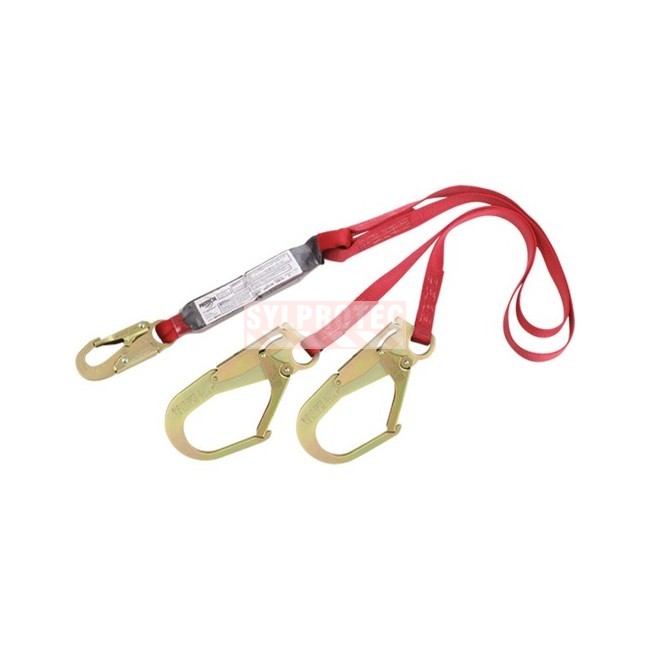
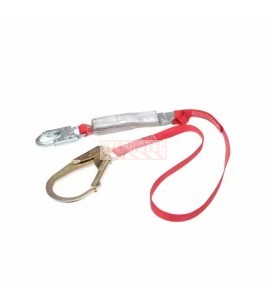
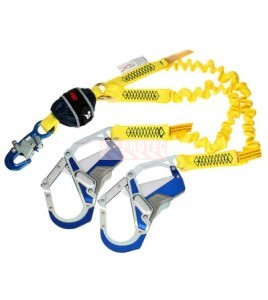
The Protecta® double-leg Y-lanyard is designed to provide maximum safety and continuous mobility during work at height. Thanks to its twin-leg configuration, it allows for continuous tie-off, ensuring the user is always attached while moving between structures.
No returnable if used. For more information about our return policy, please refer to the Orders and Returns.
3M Reference: 7100232061;3M reference number: 1340180C
This double Y-lanyard is ideal for work requiring frequent movement between anchor points, thanks to its 100% continuous connection.
It is equipped with a standard central carabiner for connecting to a harness, as well as two scaffolding-style (rebar) carabiners at the ends, allowing for secure anchoring to larger-diameter structures.
For work on your structures, we also offer the (FPL1340125C) model. This single-leg lanyard is ideal for tasks at fixed workstations or for restraint applications. Unlike a Y-lanyard, it is designed for connection to a single anchorage point and requires particular vigilance during movement phases.
In the Canadian construction and industrial maintenance sectors, fall prevention is a top priority. This 6-foot double-leg Y-lanyard allows workers to move between different anchor points without ever being disconnected. The integrated energy absorber is designed to limit fall arrest forces to safe levels (below 6 kN), significantly reducing the risk of serious injury. The Protecta® range combines durability and economy, providing a reliable solution that meets the strictest safety standards.
Choosing this lanyard means investing in professional-grade equipment that makes no compromises on safety. Its robust polyester webbing is resistant to abrasion and harsh working environments. Whether you are working on towers, scaffolding, or steel structures, this lanyard is an essential tool to guarantee your safety while maintaining optimal freedom of movement.
Important Note: This product allows the user to remain attached at all times during movement (attach the second arm before detaching the first). In the event of a fall, the absorber deploys to limit the impact forces on the body.
Location: It is located inside the protective pouch (the "Shock Pack") that contains the energy absorber.
Mechanism: The absorber is designed with a special safety stitch (often referred to as a "deployment label" or "impact indicator").
Visual Inspection: If the lanyard is subjected to a fall force, this stitch will tear or the absorber will begin to deploy. This reveals a red warning label or broken stitching, clearly indicating that the equipment is no longer safe and must be removed from service and destroyed immediately.
Why is this crucial? The CSA Z259.11 standard requires that users be able to quickly determine if the absorber has been activated. Without this indicator, a worker might unknowingly use a lanyard whose internal fibers are already stretched or broken, which would fail to provide protection in the event of a second fall.
For optimal safety, connect the end equipped with the energy absorber to the dorsal attachment point (D-ring) of your safety harness. While moving, attach one of the Y-arms to an approved anchor point before detaching the second. Ensure the snap hooks are correctly locked. Avoid attaching the unused arm to a non-designated part of the harness (use only dedicated lanyard keepers) to ensure it does not interfere with the absorber's deployment in the event of a fall.
Rigorous maintenance prolongs the life of your lanyard and guarantees your safety. Before each use, inspect the webbing for cuts, burns, or signs of excessive wear. Verify the proper functioning of the self-locking snap hooks. Clean the lanyard with lukewarm water and mild soap if it becomes soiled with grease or dust, and let it air dry away from direct heat sources. Store it in a cool, dry place, protected from UV rays and chemicals.
It is crucial to calculate your fall clearance before starting work. Since this lanyard is 6 feet long and the absorber can deploy several additional feet, ensure there is sufficient free distance below your work area to avoid ground impact. Always train your personnel in the proper use of fall protection equipment and ensure a rescue plan is in place before any work at height begins.
Yes, this product is certified according to CSA Z259.11-17 standards, guaranteeing its compliance for construction sites and industrial environments in Canada.
While possible, the purpose of the double-arm design is to facilitate movement. It is recommended to use them alternately.
Lifespan depends on use and maintenance, but it must be removed from service immediately if it has sustained a fall or if inspection reveals degradation of the webbing or metallic components.
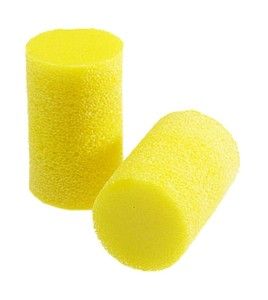
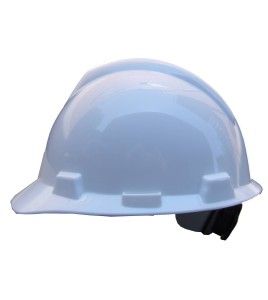
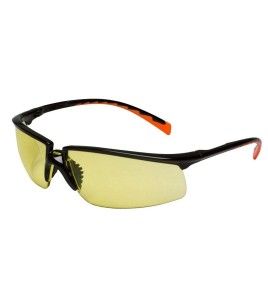
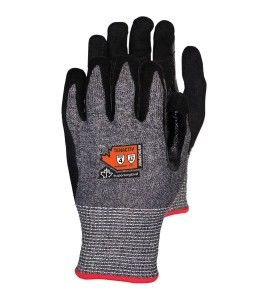
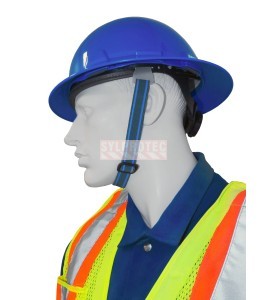
A rebar worker on site connecting with this Protecta 3M lanyard completes personal protection with a high-visibility garment (V6693), a helmet (TA82) held by its chinstrap (TA80CS), cut-resistant gloves (GSTACXPNRT), safety eyewear (YA12263) and corded earplugs (OA101) that stay around the neck and cannot drop from height.
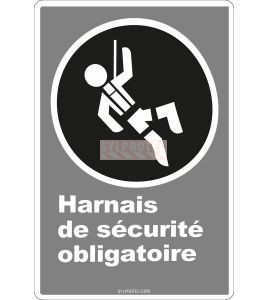
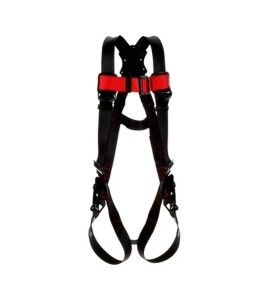
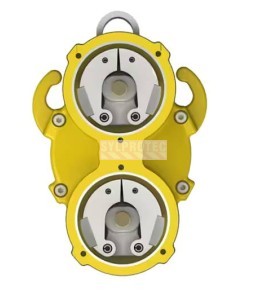
For the lanyard to work in a complete fall arrest system, plan a Protecta 3M harness (FPH1161542CA), a Protecta 3M cable anchorage sling (FPA5900581), a Protecta 3M fixed anchor (FPA2190070), a 200 ft RollGliss R550 rescue (FPLR5503325) and descent device for emergency lowering, a DANGER barricade tape (ECT3YE7) to cordon off the ground area and the sign (ECO130) reminding that the harness is mandatory.

Data sheet
You might also like
The Protecta® double-leg Y-lanyard is designed to provide maximum safety and continuous mobility during work at height. Thanks to its twin-leg configuration, it allows for continuous tie-off, ensuring the user is always attached while moving between structures.