No returnable if used. For more information about our return policy, please refer to the Orders and Returns.
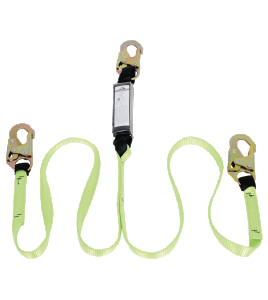
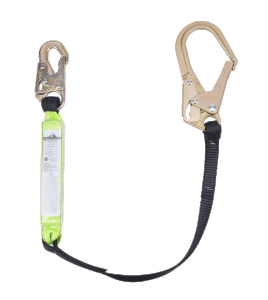
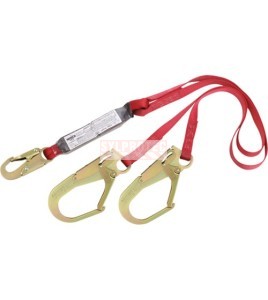
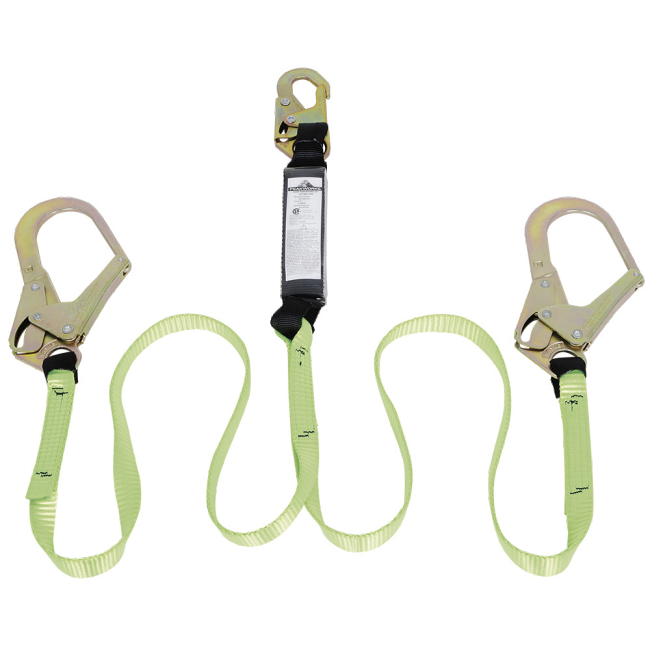
The Peakworks Y-lanyard is a tubular polyester lanyard with an internal energy-absorbing core. Its key feature: two identical legs (Y shape) that let the worker stay tied off at all times while moving from one anchorage point to another — the "100% tie-off" principle. It is equipped with one standard carabiner with a ¾ in (19 mm) opening and two scaffold hooks with a large 2 ½ in (63.5 mm) opening. It can support a worker weighing 110 to 220 lb (49 to 99 kg), including clothing, tools and equipment.
Peakworks product code: V8104824 or model SA-54022-4. This lanyard complies with ANSI Z359.1-2007. It is available in 4-foot or 6-foot lengths (selectable from the drop-down menu) and fitted with certification labels at one end. Webbing width: 1 in (25 mm).
The energy absorber is designed to reduce the impact force of a fall below 900 lb (4 kN). During a fall, it deploys over a distance of 48 in (4 ft) to reduce the force experienced by the worker at arrest. Once the absorber has deployed, the lanyard and harness must be replaced: it is the sign that the equipment did its job and protected a life.
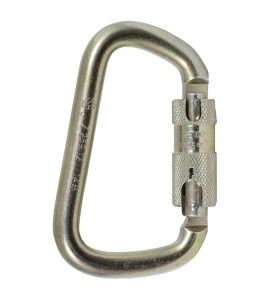
The carabiners (hooks) are made of steel, self-locking and double-action. They meet ANSI Z359.1-2007 and withstand a force of 3600 lb (16 kN) without deforming. The carabiner closest to the energy absorber must be connected to the harness dorsal D-ring; the two large-opening scaffold hooks connect to structures (tubes, scaffolds, large-diameter points).
This Y-lanyard maximizes safety during movement at heights by always keeping an active attachment point.
The anchorage point should preferably be located above the level of the harness dorsal D-ring and positioned vertically relative to the user. The user must assess the risks of a fall: is there enough clear distance free of obstacles below the worker? Are emergency measures in place to recover the worker quickly? Can the anchorage point withstand a force of 5000 lb? For more information, consult the manufacturer's manual.
The worker is responsible for performing a routine inspection before each use. The worker must note any sign of degradation, wear, malfunction or breakage (webbing, stitching, carabiners), and replace the lanyard at the first sign of failure. This lanyard should also be inspected periodically by a qualified person other than the worker (from every 90 days to yearly depending on the manufacturer and conditions). The recommended lifetime of a lanyard is 5 years. Any equipment that has withstood a fall or an impact must be taken out of service. Sylprotec offers a lanyard and harness inspection service; to learn more, see the Services tab.
For cleaning, use a mild soap and lukewarm water (37 °C). Do not use bleach or abrasive or chemical products. If your lanyard is too dirty or contaminated, it is time to replace it. Air dry, without excessive heat, in a clean environment. Avoid prolonged exposure to sunlight and to any source of contamination.
A Y-lanyard has two legs. When transferring from one anchorage point to another, the worker connects the second leg before detaching the first, thus always staying secured.
Their large 2 ½ in opening lets you hook directly onto scaffold tubes or large-diameter structures without an extra connector.
It suits a worker with a total weight of 110 to 220 lb (49 to 99 kg), including clothing, tools and equipment.
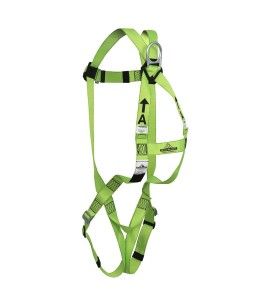
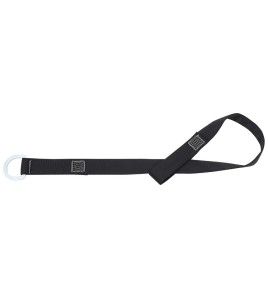
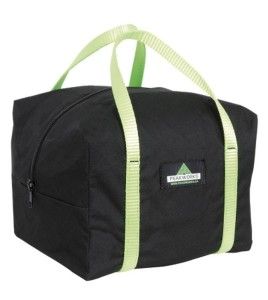
To complete your fall protection, also consider an anchorage sling (FPAE), a fixed anchorage point (FPA822), a sling anchor (FPAECS), a basic class A harness (FPH1000A), a contractor 3-ring harness (FPH2000AP), a Peakpro anti-trauma harness (FPH3000AP), a lumbar support harness (FPH4000AP) and a storage bag (FPBAG). Under "Accessories" at the bottom of the page.

Data sheet
Specific References
You might also like