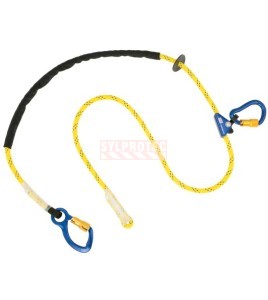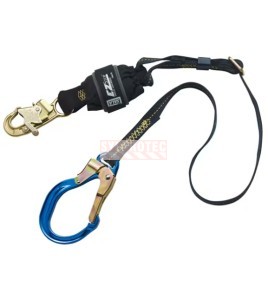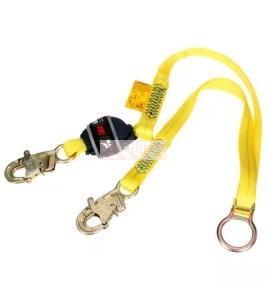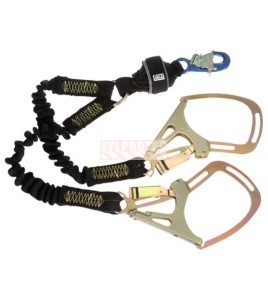
- New
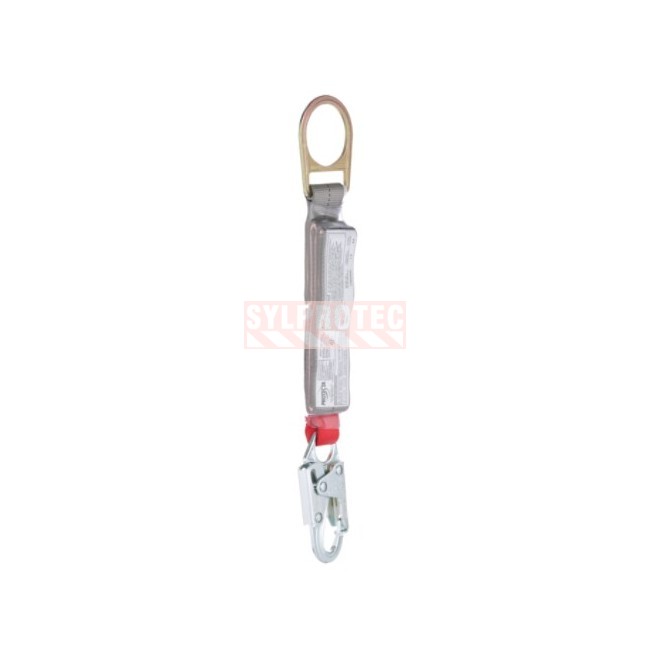
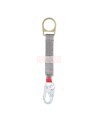
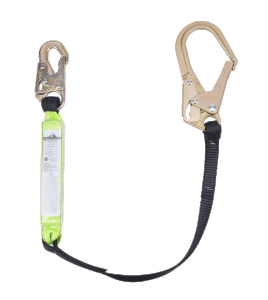
Protecta 3M single-leg shock-absorbing lanyard, 1.5 ft (0.46 m), polyester webbing, small snap hook and D-ring, 121 to 310 lb capacity.
No returnable if used. For more information about our return policy, please refer to the Orders and Returns.
Protecta 3M manufacturer code: 7012817368, model 1340260C
This Protecta 3M single-leg shock-absorbing lanyard measures 1.5 ft (0.46 m) and suits work positions where clearance below the worker is limited. The built-in shock absorber deploys through controlled tearing to reduce the arrest force transmitted to the worker in the event of a fall, an important advantage on job sites where vertical space is restricted.
Made from abrasion-resistant polyester webbing, it features a small zinc-plated steel spring-loaded snap hook at one end and a D-ring at the other, for quick connection to the harness or anchorage point. Metal parts are unpainted, reducing the risk of corrosion over time even in frequent outdoor use.
This lanyard supports a worker weighing 121 lb to 310 lb (54.9 kg to 140.6 kg), including clothing, tools and equipment. Compliant with CSA Z259.11, it is suited for construction and general industry work where a short length and minimal clearance are needed.
This short 1.5 ft lanyard is particularly suited to restricted-height work positions: aerial platforms, scaffolding, low roofs and confined spaces where a longer shock-absorbing lanyard would not leave enough clearance to safely arrest a fall. It also suits general construction, industrial maintenance and short tasks requiring a quick connection to a nearby anchorage point.
The required fall clearance below the anchorage point is calculated using the official 3M formula: DN = LL + DD + HH + C, where LL is the lanyard length, DD is the absorber deployment distance (1.2 m or 4 ft), HH is the height of the suspended worker (about 1.8 m or 6 ft), and C is a 0.5 m (1.5 ft) safety factor.
For this 1.5 ft lanyard: 1.5 ft (lanyard) + 4 ft (deployment) + 6 ft (worker) + 1.5 ft (safety) = 13 ft (3.96 m) of clearance required below the anchorage point.
A shock-absorbing lanyard requires significant clearance since the absorber deploys before the fall fully stops; a self-retracting lifeline locks almost instantly and requires much less clearance. At low heights, the retractable option is often the safer choice.
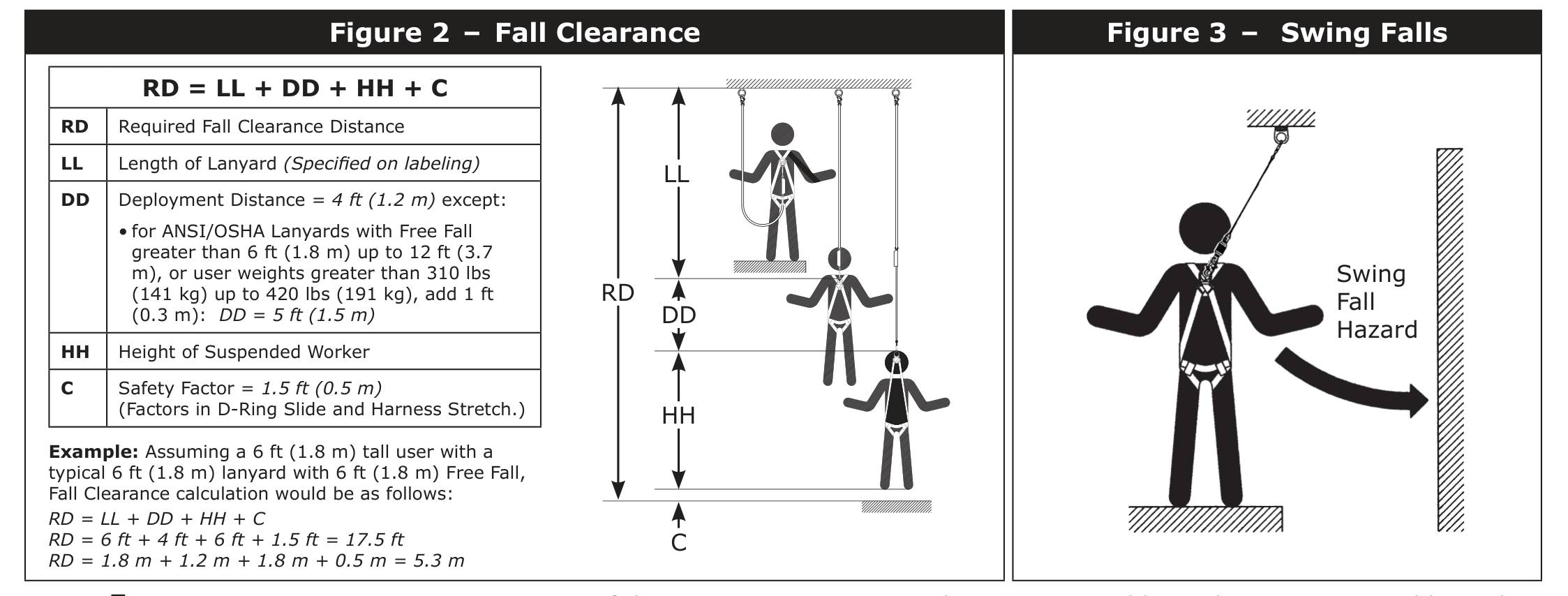
If the anchorage point is not directly overhead, a fall can cause a swing (pendulum fall) that reduces the actual clearance and risks striking nearby structures. Always work as directly below the anchorage point as possible.
About 13 ft (3.96 m) below the anchorage point, following the 3M formula DN = LL + DD + HH + C.
A low anchorage increases the fall factor and the required clearance; a shorter lanyard or a device designed for foot-level anchorage should be used, and available clearance must always be validated before starting work.
No, the maximum capacity is 310 lb including clothing, tools and equipment; a higher-capacity device must be chosen beyond that.
Yes, the small spring-loaded snap hook connects to the dorsal or sternal D-ring of most CSA/ANSI compliant fall arrest harnesses.
No, any lanyard that has arrested a fall must be removed from service immediately, even without visible damage.
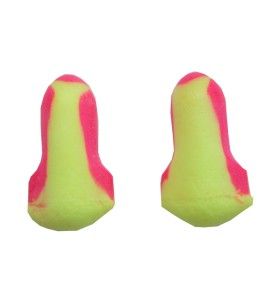
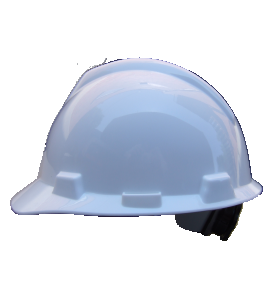
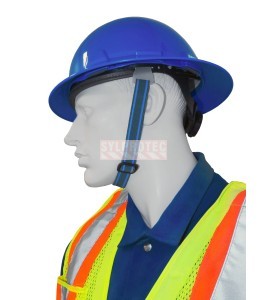
A commercial roofing installer connecting with this Protecta 3M lanyard completes personal protection with a high-visibility garment (V5999FP), a helmet (TA80) held by its chinstrap (TA80CS), cut-resistant gloves (GS13GDSTL), safety eyewear (YAU3350) and corded earplugs (OA1101) that stay around the neck and cannot drop from height.
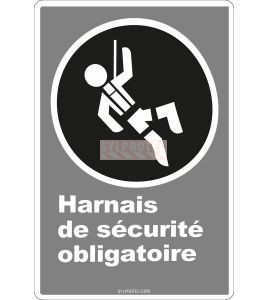
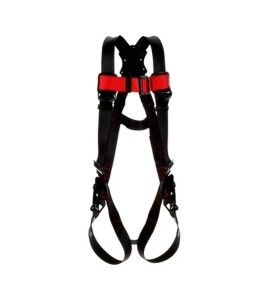
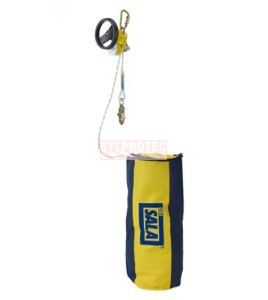
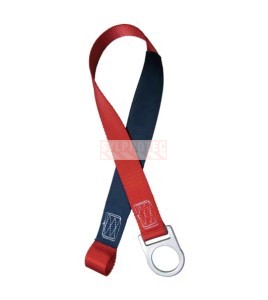
For the lanyard to work in a complete fall arrest system, plan a Protecta 3M harness (FPH1161542CA), a Protecta 3M fixed anchor (FPA2190072), a Protecta 3M tie-off anchorage strap (FPA219005X), a 400 ft RollGliss R550 rescue (FPLR550) and descent device for emergency lowering, a DANGER barricade tape (ECT3RE9) to cordon off the ground area and the sign (ECO130) reminding that the harness is mandatory.

Data sheet
You might also like
Protecta 3M single-leg shock-absorbing lanyard, 1.5 ft (0.46 m), polyester webbing, small snap hook and D-ring, 121 to 310 lb capacity.