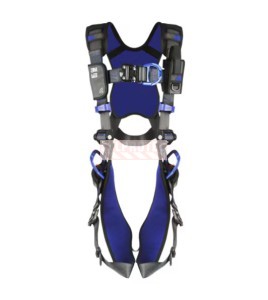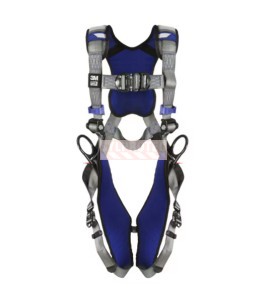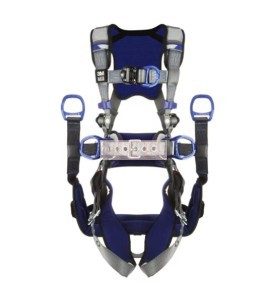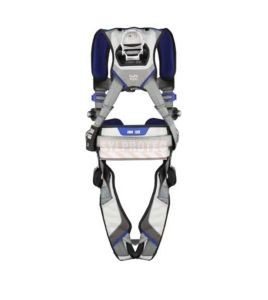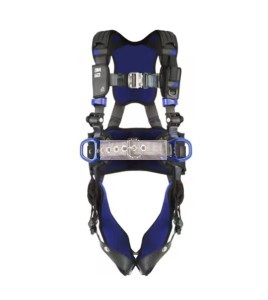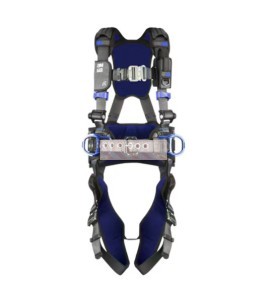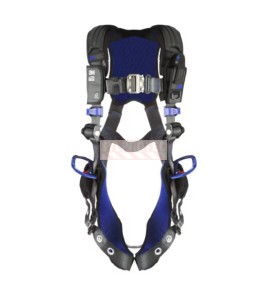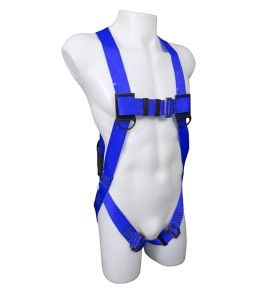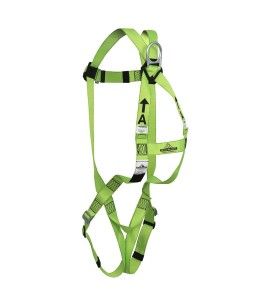

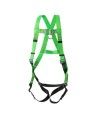
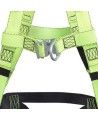
Peakworks contractor harness Class A and L with 2 steel D-rings (1 dorsal, 1 sternal front) for fall arrest and ladder climbing. Universal size, polyester webbing, 400 lb (180 kg). Meets ANSI Z359.11-2014 and CSA Z259.10-12.
No returnable if used. For more information about our return policy, please refer to the Orders and Returns.
The Peakworks contractor safety harness is a Class A and L fall arrest harness featuring 2 steel D-rings: 1 dorsal D-ring for fall arrest (Class A) and 1 sternal front D-ring for ladder climbing (Class L). Universal size, it fits most workers and suits construction, maintenance and fixed-ladder climbing. The maximum worker weight, including clothing and tools, is 400 lb (180 kg).
Peakworks product code: V8002020 (model FBH-10000L). This harness meets the ANSI Z359.11-2014 and CSA Z259.10-12 standards.
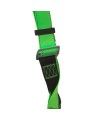
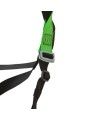
This harness is made of polyester webbing. Polyester was chosen for its superior resistance to acids and chemicals, an important advantage in industrial maintenance work where the harness may be exposed to contaminants. The front straps at chest level (the sternal pad) carry a small D-ring used to connect to a ladder fall arrest system. The chest and leg straps close with interlocking buckles, and the distinctly coloured straps make donning easier. The identification and certification labels are sewn onto the strap on the back left side.
Designed to combine ladder climbing and fall arrest, this entry-level harness focuses on simplicity, compliance and fast donning for workers who climb daily.
The sternal front D-ring lets you connect to a rope grab on a vertical lifeline to climb fixed ladders safely, while the Class A dorsal D-ring handles standard fall arrest.
Equipped with a sub-pelvic strap for greater comfort during suspension, the harness has 5 adjustment points (2 on the legs, 2 on the shoulders, 1 on the chest) and distinctly coloured straps for fast, error-free donning.
The worker is responsible for performing a routine inspection before each use. During this inspection, the worker must note any signs of degradation, wear, malfunction or breakage. The harness must be replaced at the first sign of failure.
In addition, this harness should be inspected by a qualified person other than the worker who wears it. The required frequency varies by manufacturer: some require it every 90 days, others every 180 days, or yearly. The harder the work and environmental conditions, the more often you should inspect the harness. The recommended lifetime is 5 years. Sylprotec offers a safety harness inspection service: see the Services tab under the Sylprotec logo at the top of the page. Any equipment that has withstood a fall or an impact must be scrapped.
For cleaning, use a gentle soap and clean lukewarm water (37°C). Do not use bleach or other abrasive or chemical products. If your harness is too dirty or contaminated, it is time to replace it. Air dry without excessive heat in a clean environment. You can speed up drying with a clean absorbent cloth or a fan. Avoid exposing the harness to sunlight or any source of contamination.
Here are the most common questions about this Class A and L contractor harness.
Class L refers to a sternal front D-ring used to connect the harness to a ladder fall arrest system for vertical climbing. Class A refers to fall arrest provided by the dorsal D-ring.
The maximum worker weight is 400 lb (180 kg), including clothing, tools and any equipment carried.
The recommended lifetime is 5 years, and any harness that has been subjected to a fall or impact must be taken out of service immediately.
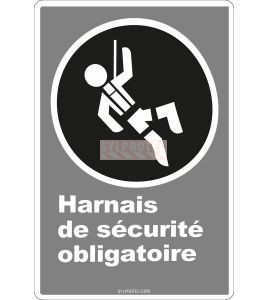
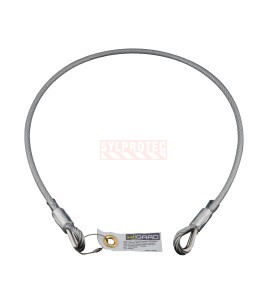
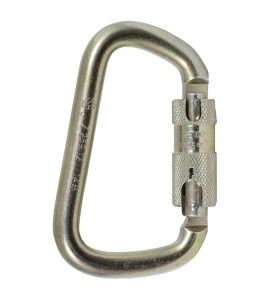
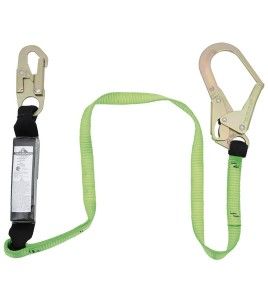
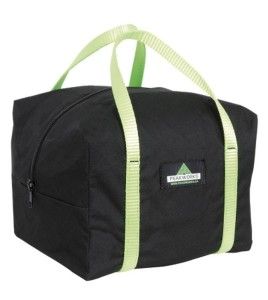
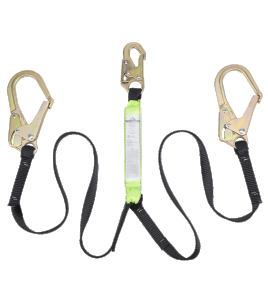
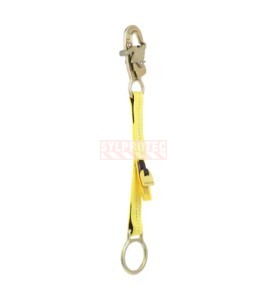
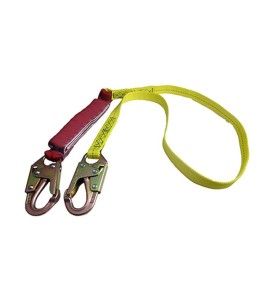
To complete your fall protection system and ladder climbing setup, also consider a rope grab with panic stop for vertical lifelines (FPACC), a vertical rope lifeline by Peakworks (FPAC), an energy-absorbing lanyard (FPL5400), a temporary concrete anchor in stainless steel (FPAF075N), a self-locking carabiner rated 30 kN (FPAM88), a Peakworks carrying bag (FPBAG), a wrist tool strap (FPLA9900) and the mandatory inspection sign (ECO130). Under "Accessories" at the bottom of the page.

Data sheet
You might also like
Peakworks contractor harness Class A and L with 2 steel D-rings (1 dorsal, 1 sternal front) for fall arrest and ladder climbing. Universal size, polyester webbing, 400 lb (180 kg). Meets ANSI Z359.11-2014 and CSA Z259.10-12.