Compliant with CSA, ANSI, and OSHA standards. Ideal for fall protection systems in construction and industrial settings. 22 kN strength, 310lb capacity.
No returnable if used. For more information about our return policy, please refer to the Orders and Returns.
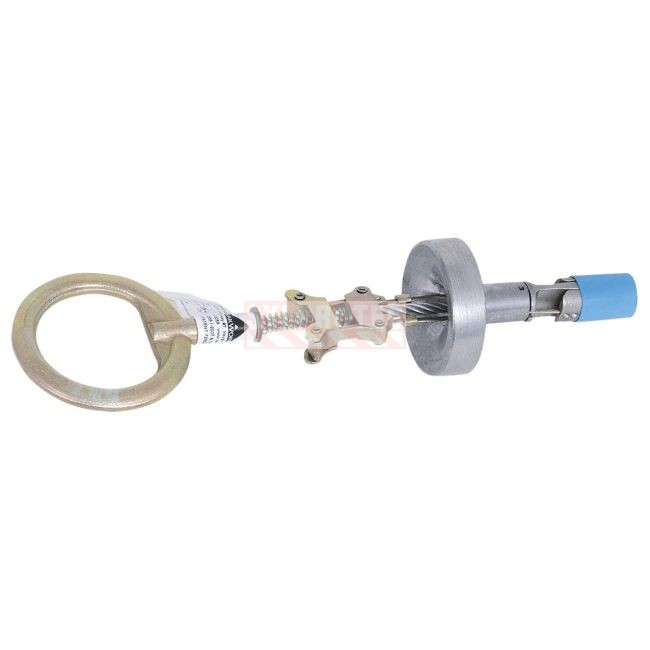
Secure your at-height operations with the PeakWorks Removable Concrete Anchor (Model FPA12010). Specifically engineered for use on dry, hardened concrete (min. 3,000 psi). This temporary anchorage connector is an essential tool for fall protection systems in construction and industrial environments.
Thanks to its robust design, it provides a 22 kN (5,000 lb) strength rating and features a quick, tool-free installation mechanism, ensuring optimal safety for a single worker.
To complete your fall protection kit, Sylprotec recommends:
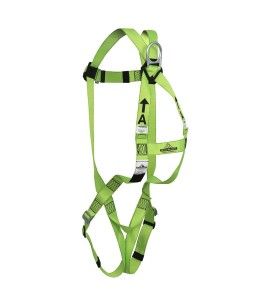
PeakWorks Safety Harnesses :For full-body protection and comfort.
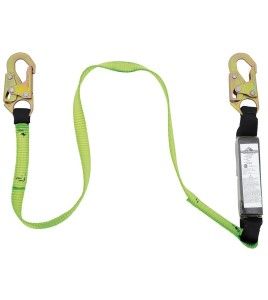
Shock-Absorbing Lanyards: Essential to dampen the impact of a fall.
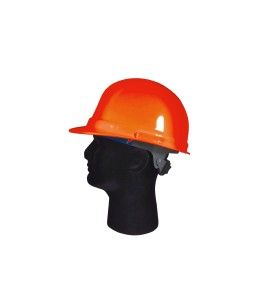
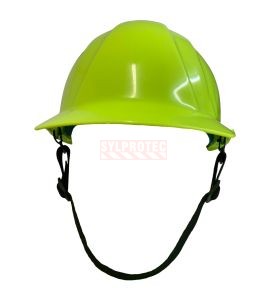
Safety Helmets (Type 1 or 2): Dentec or Omega models for superior head protection.
The PeakWorks CP-12010-1 connector makes no compromises on safety. It is rigorously tested to meet and exceed the most demanding industry standards:
Full Compliance: Meets CSA Z259.15, ANSI Z359.18, and OSHA requirements.
Load Capacity: Supports a maximum weight of 310 lb (141 kg), including the worker's tools and equipment.
Premium Materials: Built with high-quality components to withstand harsh job site conditions.
| Feature | Details |
| Sylprotec Reference | FPA12010 |
| Hole Diameter | 3/4" (19 mm) |
| Required Depth | 3" (76 mm) |
| Static Strength | 22 kN / 5,000 lb |
| Substrate | Concrete only (Prohibited on steel/wood) |
| Compatibility | Certified harnesses, lanyards, and SRLs |
To guarantee the effectiveness of your fall arrest system, follow these essential directives:
Drilling: Drill a 3/4" diameter hole to a 3" depth, ensuring it is perfectly straight and clean.
Insertion: Insert the connector and secure the lock by pulling firmly on the ring.
Inspection: Inspect the device before every use. Clean with compressed air to remove concrete dust that could jam the wedges.
Note: This anchor is reusable but must be immediately removed from service and destroyed if it has been subjected to a fall or severe impact.
No. The FPA12010 model is designed exclusively for concrete. Its expansion mechanism will not function on steel or wood, making the anchorage ineffective and dangerous.
Use a high-quality, undamaged 3/4" concrete drill bit to ensure a precise hole. An improperly drilled hole compromises the anchor's holding strength.
While built with heavy-duty materials, it is recommended to store the device in a dry place to prevent premature degradation of the moving mechanisms.
Need additional safety equipment? See the articles; Safety hard hat (TA14LR), Omega II minor hard hat type 1 (TA14FS), a motorized respirator with 1000 protection factors (R6800PF), and a 3M mask protection film (R6885).
Under "Accessories" at the bottom of the page. If you're looking for work equipment, have a look at the following products: White antistatic coveralls with (V51), containment fabric or (SAH2MA) air cleaners (SACTT2).

Data sheet
You might also like
Compliant with CSA, ANSI, and OSHA standards. Ideal for fall protection systems in construction and industrial settings. 22 kN strength, 310lb capacity.